How to Create a Sustainable Montessori Playroom (UK Guide)
Share
Creating a playroom often starts with good intentions but quickly turns into clutter.
If you’re searching for Montessori playroom ideas that feel calm, considered and actually work for your child, you’re not alone.
At KIDDYKIND, we believe a playroom should support creativity, independence and wellbeing, using fewer, better toys made to last.
This guide will help you design a beautiful, functional space using sustainable wooden toys in the UK, with a focus on simplicity, open-ended play and conscious choices.
Why Choose a Montessori Playroom?
A Montessori-inspired playroom is designed around the child.
Instead of overwhelming them with noise and choice, it encourages:
-
Independence
-
Focus
-
Imaginative play
Unlike traditional setups, Montessori spaces prioritise open-ended, eco-friendly toys for toddlers that grow with your child.
Start with Less: The Foundation of Montessori Playroom Ideas
One of the most important Montessori principles is simplicity.
Too many toys can overstimulate children and reduce the quality of play.
Instead:
- Keep toys on open, low shelves
- Limit the number available at one time
- Rotate toys regularly
This approach makes even a small collection of wooden toys for kids feel fresh and engaging.
Choose Sustainable Wooden Toys That Last
When building a playroom, materials matter.
Sustainable wooden toys in the UK are a long-term investment in both your child and the planet.
They offer:
-
Durability (lasting through years of play)
-
Safer, non-toxic materials
-
A calmer sensory experience
At KIDDYKIND, we curate toys from trusted brands like Le Toy Van, designed for open-ended play and everyday use.
What Are Open-Ended Toys (And Why Do They Matter?)
Open-ended toys have no single purpose, which is exactly the point.
They allow children to explore, imagine and create without limits.
Examples include:
-
Building blocks
-
Dolls houses
-
Pretend play sets
-
Balance boards
A dolls house from Le Toy Van can become a home, a school or a shop, supporting deeper, more meaningful play.
Create Simple Play Zones at Home
You don’t need a large space to create an effective playroom.
Dividing your space into zones helps children navigate play independently.
Try:
-
Imaginative play: dolls houses, role play
-
Creative play: drawing, crafts
-
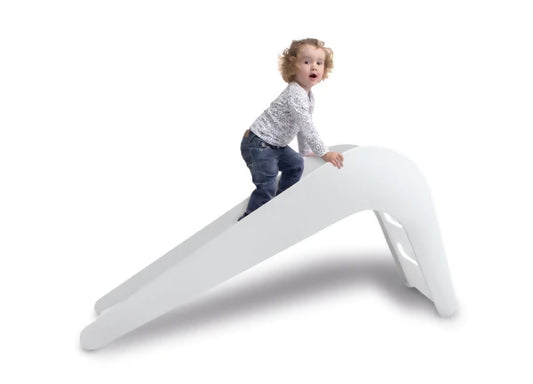
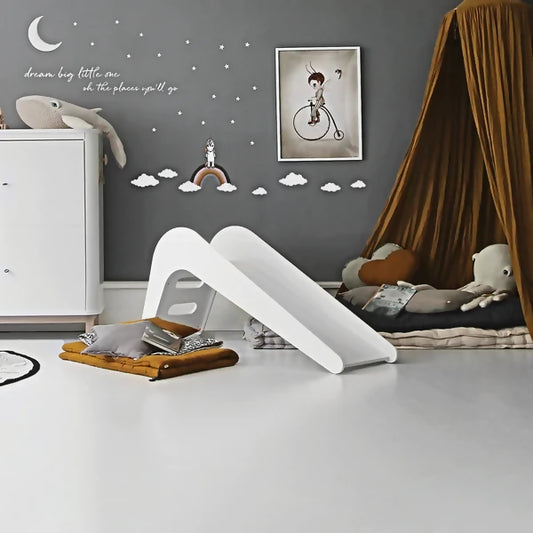
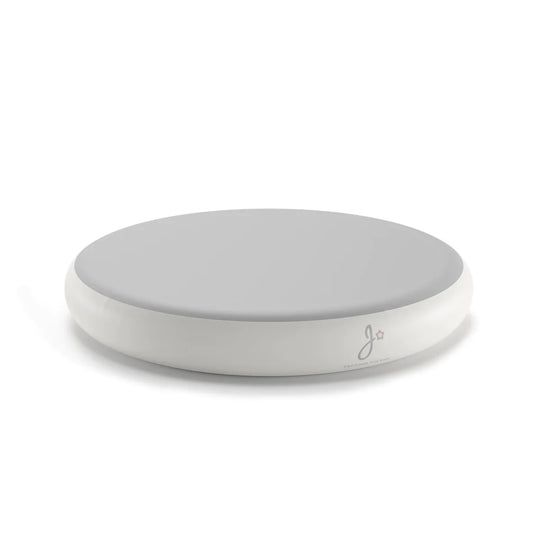
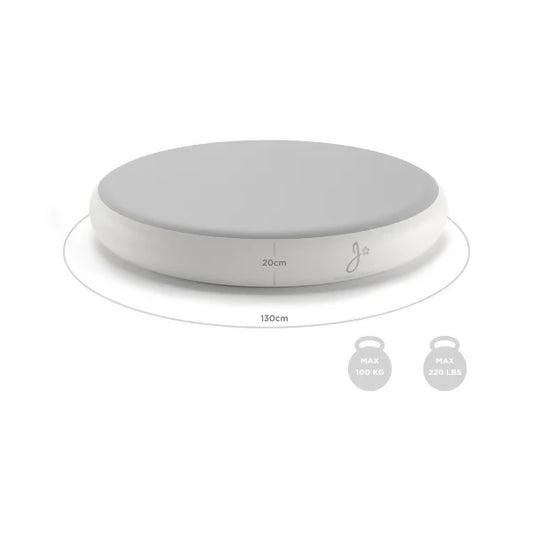
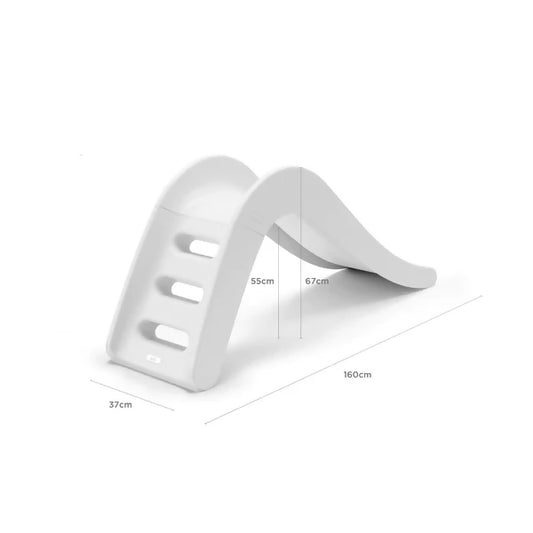
Movement: climbing, sliding (explore options from Jupiduu)
-
Quiet time: books, puzzles
This structure supports natural movement and keeps your playroom organised.
Design a Calm, Clutter-Free Playroom
A well-designed Montessori playroom should feel calm for both children and parents.
Focus on:
-
Neutral colour palettes
-
Natural materials like wood and cotton
-
Minimal, intentional layouts
-
Child-height furniture
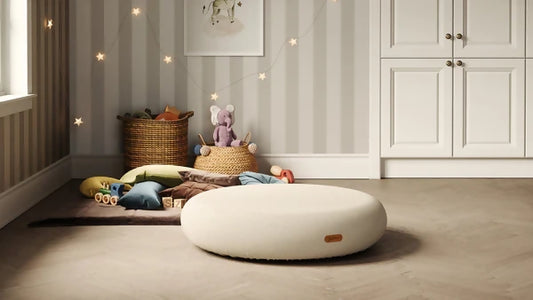
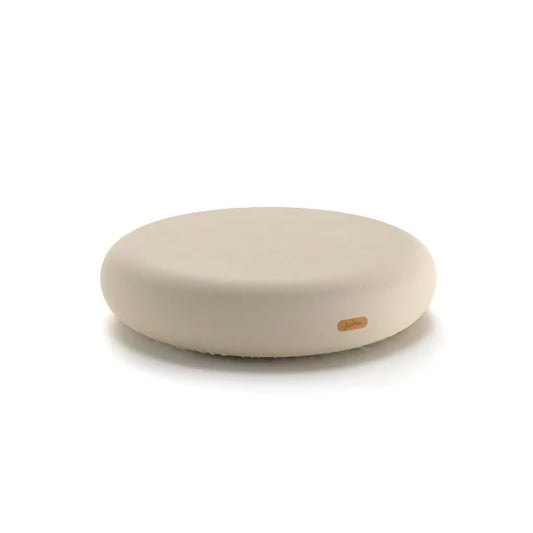
Design-led pieces from Curve Lab combine function with aesthetics perfect for modern family homes.
Rotate Toys Instead of Buying More
One of the easiest ways to maintain interest is toy rotation.
Rather than constantly buying new toys:
-
Store some away
-
Reintroduce them every few weeks
This keeps your collection of Montessori toys in the UK feeling new without adding clutter.
How to Choose Eco-Friendly Toys for Toddlers
When shopping for toys, look for:
-
FSC-certified wood
-
Non-toxic paints and finishes
-
Durable, repairable design
-
Timeless play value
Choosing eco-friendly toys for toddlers means investing in quality over quantity and reducing waste over time.
Build a Playroom That Grows With Your Child
A sustainable playroom isn’t about perfection, it’s about intention.
By choosing sustainable wooden toys in the UK, focusing on open-ended play, and designing a calm environment, you create a space your child will return to again and again.
And that’s where the real value lies.