My Child Won’t Sleep? How Natural and Organic Fibres Can Improve Baby and Toddler Sleep
Share
If you’ve ever found yourself whispering “my child won’t sleep” at 2am, you are deeply and exhaustingly, not alone.
When it comes to baby sleep and toddler sleep, we are flooded with advice:
- Adjust wake windows
- Try white noise
- Shorten naps
- Change bedtime
- Follow a sleep training method
But there’s one factor that rarely gets discussed in conversations about improving children’s sleep:
The sleep environment itself.
More specifically, what your child is sleeping on, in, and under.
Because sometimes, better sleep for children isn’t about doing more.
It’s about changing what’s quietly working against them.
Why the Sleep Environment Matters for Baby Sleep
Babies and toddlers regulate temperature differently than adults. They are more sensitive to:
- Overheating
- Trapped moisture
- Fabric irritation
- Static and sensory discomfort
One of the most common causes of disrupted baby sleep is being too hot. Yet many sleep products on the market, from mattress protectors to sleep bags, are made from synthetic materials like polyester and microfibre.
Synthetic fabrics tend to:
- Trap heat
- Hold moisture against the skin
- Reduce airflow
- Increase sweating
Natural fibres such as organic cotton, linen and wool are breathable and temperature regulating. They allow air to circulate and help the body maintain a stable sleep temperature.
If you’re building an organic baby lifestyle, sleep is one of the most powerful places to begin.
5 Overlooked Ways to Improve Children’s Sleep Naturally
1. Start with Organic Baby Bedding
If you want to improve baby sleep, begin with the foundation: the bed itself.
Swapping synthetic sheets and protectors for breathable, natural options can immediately reduce overheating and discomfort.
Look for:
- Organic cotton fitted sheets
- Breathable mattress protectors
- Natural fibre blankets
Organic bedding reduces chemical exposure and allows better airflow — both of which support deeper, more restorative sleep.
Improving children’s sleep often starts with what they’re lying on for 10–12 hours every night.
2. Rethink the Sleep Bag or Duvet
Sleep bags are central to baby sleep and early toddler sleep, but not all are designed with breathability in mind.
Many are lined with synthetic fleece or polyester fill, which can trap heat and contribute to frequent night waking.
Instead, consider:
- Organic cotton sleep bags
- Natural fibre linings
- Wool-filled options for temperature regulation
Wool is especially powerful because it adapts to body temperature, keeping children warm without overheating.
For toddlers transitioning to a duvet, choose natural fillings rather than synthetic microfibre alternatives to support better sleep for children.
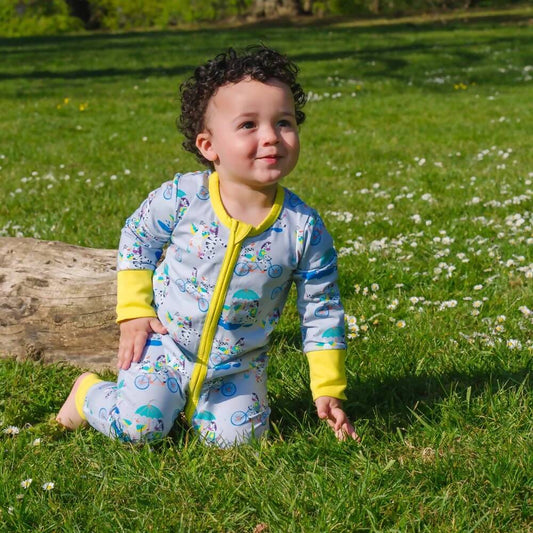
3. Choose Organic Pyjamas for Toddler Sleep
If your toddler won’t sleep through the night, check what they’re wearing.
Sleepwear acts as a second skin. Synthetic fabrics can feel clammy, cause irritation, and prevent airflow.
- Are breathable
- Feel softer on sensitive skin
- Contain fewer chemical treatments
- Help regulate body temperature
For children prone to eczema or skin sensitivity, organic sleepwear can significantly improve overnight comfort and therefore toddler sleep.
Sometimes the answer to “my child won’t sleep” is simply comfort.
4. Support Skin Health Before Bed
Skin irritation is an overlooked disruptor of baby sleep and toddler sleep.
Dryness, itchiness or sensitivity can fragment sleep cycles even if your child can’t explain what’s wrong.
As part of improving children’s sleep naturally, consider:
- Fragrance-free, gentle bath products
- Organic moisturisers
- A calming bedtime massage
When the skin feels safe and soothed, the nervous system can relax more fully.
Better sleep for children is often deeply connected to physical comfort.
5. Layer a Breathable, Organic Baby Sleep Space
Improving children’s sleep isn’t about one magical swap. It’s about layers working together.
Think through every sleep layer:
- Mattress
- Protector
- Sheet
- Sleep bag or duvet
- Pyjamas
- Blanket
If several layers are synthetic, heat and moisture build up quickly.
Creating a layered, breathable organic baby sleep environment supports:
- Temperature regulation
- Reduced sweating
- Fewer sensory disruptions
- Deeper, more stable sleep cycles
Sometimes the smallest environmental tweaks create the biggest improvements.
The Science Behind Better Sleep for Children
Deep sleep requires:
- Stable body temperature
- Minimal irritation
- A regulated nervous system
Natural and organic fibres support this by:
- Allowing airflow
- Managing moisture
- Reducing overheating
- Minimising synthetic chemical exposure
They are not a guaranteed fix but they remove hidden barriers that may be disrupting your child’s sleep.
And when you’ve tried everything else, removing friction matters.
Frequently Asked Questions About Baby Sleep & Organic Bedding
Can organic bedding really improve baby sleep?
Yes. Organic bedding can improve baby sleep by increasing breathability and reducing overheating one of the leading causes of night waking.
Organic cotton allows airflow and helps maintain a stable sleep temperature, supporting longer, more comfortable stretches of sleep.
Why does my toddler overheat at night?
Toddlers often overheat due to synthetic sleep layers.
Polyester duvets, fleece-lined sleep bags and synthetic pyjamas trap heat and moisture. Switching to natural fibres like organic cotton or wool can significantly improve toddler sleep by allowing better temperature regulation.
My child won’t sleep, could bedding really be the issue?
If you’ve adjusted routines but still find yourself thinking “my child won’t sleep”, reviewing the sleep environment is worthwhile.
Uncomfortable fabrics, overheating or skin irritation can subtly disrupt sleep cycles. Improving children’s sleep sometimes starts with physical comfort rather than behavioural change.
What fabrics are best for baby sleep and sensitive skin?
For baby sleep and sensitive skin, choose:
- Organic cotton
- Linen
- Responsibly sourced wool
These fibres are breathable, softer against delicate skin, and contain fewer chemical residues than synthetic alternatives.
How can I improve my child’s sleep naturally?
If you want to improve your child’s sleep naturally:
- Use breathable organic baby bedding
- Choose natural fibre sleep bags or duvets
- Dress them in organic cotton pyjamas
- Support skin health before bed
- Keep the room cool and well-ventilated
Better sleep for children often comes from simplifying and aligning their sleep environment with their biology.
Final Thoughts: Improving Children’s Sleep Starts with Comfort
Before overhauling your bedtime routine again, pause and ask:
- Are they too hot?
- Is their bedding breathable?
- Are their pyjamas natural?
- Is their skin calm and comfortable?
When it comes to baby sleep and toddler sleep, comfort is foundational.
Creating a breathable, layered, organic baby sleep space isn’t about perfection, it’s about thoughtful adjustments that support your child’s body in doing what it was designed to do.
Sleep. Naturally.