Why Most Children’s Clothes Are Made From Plastic (And What Parents Can Do)
Share
When we think about plastic in our children’s lives, we often picture toys, packaging or bottles.
But there’s one place many parents don’t expect to find it: their child’s wardrobe.
Today, a large proportion of children’s clothing is made from synthetic fibres like polyester, nylon and acrylic - all of which are derived from plastic.
In fact, polyester has become the most widely used fibre in the global fashion industry.
For many parents, this raises an important question:
What does it actually mean for our children to wear plastic every day?
The answer isn’t about fear, it’s about understanding, and making informed, balanced choices.
What Does “Plastic Clothing” Actually Mean?
When we say clothing is made from plastic, we’re referring to synthetic fibres.
These include:
- polyester
- nylon
- acrylic
- elastane (often blended with other fibres)
These materials are created through chemical processes using petroleum-based resources.
They are popular because they are:
- durable
- stretchy
- wrinkle-resistant
- affordable
This is why they are widely used in:
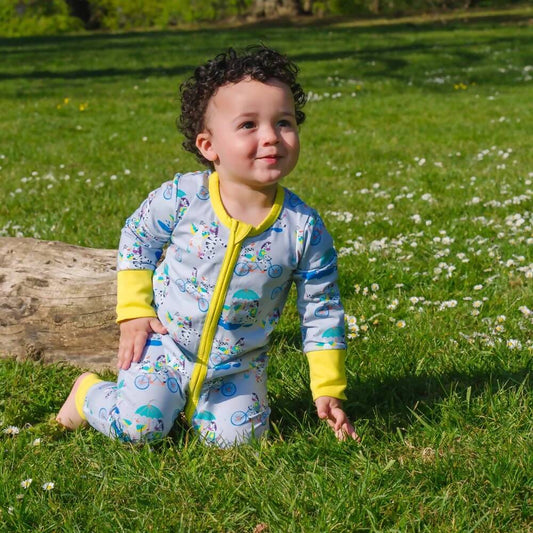
- baby clothes
- kids’ pyjamas
- sportswear
- outerwear
Why Synthetic Fabrics Are So Common in Children’s Clothing
There are a few key reasons why polyester and other synthetic fabrics dominate the market.
1. Cost and Accessibility
Synthetic fibres are cheaper to produce at scale than many natural materials.
This makes them attractive for brands producing large volumes of affordable clothing.
2. Durability
Children’s clothes need to withstand:
- frequent washing
- spills
- rough play
Polyester is highly durable and holds its shape well over time.
3. Stretch and Convenience
Blended fabrics (like cotton-polyester mixes) offer:
- stretch
- flexibility
- easy care (less ironing, faster drying)
For busy parents, this convenience is appealing.
Why Some Parents Are Rethinking Plastic-Based Fabrics
While synthetic fabrics are practical, more parents are beginning to question how they interact with children’s bodies and environments.
1. Breathability and Comfort
Synthetic fabrics tend to be less breathable than natural fibres.
This means they can:
- trap heat
- hold moisture against the skin
- feel less comfortable in warm conditions
For children, especially babies, this can sometimes lead to:
- overheating
- heat rash
- skin irritation
2. Sensitive Skin and Eczema
Children are more likely than adults to experience:
- sensitive skin
- eczema
- irritation from friction or heat
Because of this, many parents choose softer, more breathable materials for everyday wear.
3. Microplastics in Everyday Life
Synthetic clothing can shed tiny fibres known as microplastics.
These can be released during:
- washing
- wearing
- general household use
They can accumulate in:
- indoor dust
- the air
- water systems
Young children may have higher exposure because they:
- spend more time on the floor
- frequently touch surfaces
- put objects in their mouths
4. Long Hours in Direct Contact
Babies and young children spend a significant amount of time:
- sleeping
- lying down
- cuddling soft fabrics
This means materials in:
- pyjamas
- bedding
- comfort items
stay in close contact with their skin for extended periods.
Natural Fabrics vs Synthetic Fabrics: A Simple Comparison
|
Feature |
Synthetic Fabrics (Polyester, Nylon) |
Natural Fabrics (Cotton, Wool, Linen) |
|
Breathability |
Low to moderate |
High |
|
Temperature regulation |
Traps heat |
Helps regulate body temperature |
|
Feel on skin |
Can feel less soft over time |
Softens naturally |
|
Moisture handling |
Traps sweat |
Absorbs moisture |
|
Microplastics |
Yes |
No |
|
Source |
Petroleum-based |
Plant or animal-based |
This doesn’t mean synthetic fabrics are “bad”, but it helps explain why many parents prefer natural materials for items worn close to the skin.
Where Fabric Choices Matter Most
For parents who want to make changes, the good news is:
👉 you don’t need to overhaul everything.
Instead, focus on the areas with the most direct and prolonged contact.
1. Sleepwear and Bedding
Children spend up to half their day sleeping.
This makes pyjamas and bedding one of the most impactful places to start.
Many parents choose:
- organic cotton pyjamas
- breathable sheets
- natural fibre blankets
👉 Explore our organic sleepwear and bedding collections
2. Everyday Basics
Clothing worn daily and close to the skin has the biggest impact on comfort.
Focus on:
- bodysuits
- vests
- leggings
- underwear
👉 Browse our organic baby and kidswear essentials
3. Comfort Items and Toys
Because babies often chew and cuddle these items, many parents prefer natural materials for:
- soft toys
- comforters
- blankets
👉 Discover our natural toys and comforters
4. A Balanced Approach
It’s not always practical, or necessary, to avoid synthetic fabrics completely.
Many families choose a balanced approach:
- natural fabrics for sleep and basics
- synthetics where durability or stretch is needed (e.g. outerwear)
What Parents Can Do (Without Overwhelm)
If this is new to you, start small.
A simple approach could be:
- Switch to natural fibre sleepwear
- Choose breathable everyday basics
- Gradually replace items over time
- Focus on progress, not perfection
Why This Conversation Matters
For many parents, this isn’t just about fabric.
It’s about:
- understanding what touches their child’s skin
- making more informed choices
- creating a healthier everyday environment
And importantly, doing so in a way that feels realistic and manageable.
The Bottom Line
Most children’s clothes today are made, at least in part, from plastic-based fibres.
That’s not necessarily something to fear, but it is something to be aware of.
Because babies and children have more sensitive skin and developing bodies, many parents choose to prioritise breathable natural fabrics where it matters most.
And the good news?
You don’t need to change everything overnight.
Small, thoughtful swaps, starting with sleepwear and everyday essentials, can make a meaningful difference over time.
FAQs
Are children’s clothes really made from plastic?
Yes, many modern garments are made from synthetic fibres like polyester, which are derived from plastic.
Is polyester harmful for children?
Polyester is not inherently harmful, but it is less breathable than natural fabrics and may contribute to discomfort or irritation for some children.
Why do brands use polyester in kids’ clothes?
Polyester is durable, affordable and easy to care for, making it widely used in mass-produced clothing.
What fabrics are better for children?
Many parents prefer natural fabrics like organic cotton, wool and linen for breathability and comfort.