Low-Tox With Kids: The First Swaps Worth Making (and What to Ignore)
Share
The best low-tox swaps for babies in the UK start with the things your child spends the most time in and uses every day. Look first at what they sleep in, then anything that goes in their mouth or gets heated with food in it. Swap them one at a time, as they wear out, and let the rest go.
If you have read one article about toxins in children's products, you have probably read ten. Each one adds something to the worry list. We think that list has become far too long.
At KIDDYKIND, we live by what we share. We read the labels, ask the questions and make low-tox choices wherever we can. But nobody's perfect, and we don't think anyone should have to be. We call it being imperfectly low-tox.
You don't have to throw everything out and start again. Honestly, if that's what it took, most of us would never start. Small swaps, made slowly as things wear out, are the ones that actually stick, and that's what makes a low-tox home sustainable for your family and your budget.
So here are the low-tox swaps for babies and kids we would make first, and the things we would happily ignore.
What does "low tox" actually mean for kids' products?
Low tox is a way of choosing. It means reducing the chemicals your child comes into close, regular contact with, where you easily can. It works best as a filter, so you know where to spend your attention.
Our filter is four questions:
- Is it against their skin for hours at a time?
- Does it go in their mouth?
- Does it get heated, or hold hot food?
- Do they use it every single day?
The more times you answer yes, the higher that item sits on your list. A bedroom rug scores almost nothing. A sleepsuit worn every night scores almost everything.
Start with what you already have
You don't need to buy anything to begin. Most kitchens already have glass jars, ceramic bowls and a stainless steel pan. Warming and serving your child's food in those, rather than plastic, is a free first step. Old cotton T-shirts make good flannels and bibs. Paying attention costs nothing.
Which low-tox swaps should I make first?
Here is the order we would work through. There's no deadline. Make each swap when the old one breaks, gets outgrown or needs replacing anyway.
| Swap | Why it comes first | What to look for |
|---|---|---|
| Sleepwear and bedding | Against their skin for half the day, often more | Certified organic cotton, a named textile standard |
| Bowls, plates, spoons | In the mouth, often with warm food | Stainless steel, glass, ceramic or clearly labelled silicone |
| Cups and bottles | In the mouth, many times a day | Stainless steel or glass, with every plastic part named |
| Nappies | Against skin day and night | A full list of materials, layer by layer |
| Bath mitts and flannels | Daily, on face and body | Simple fabrics with a named certification |
1. Sleepwear and bedding
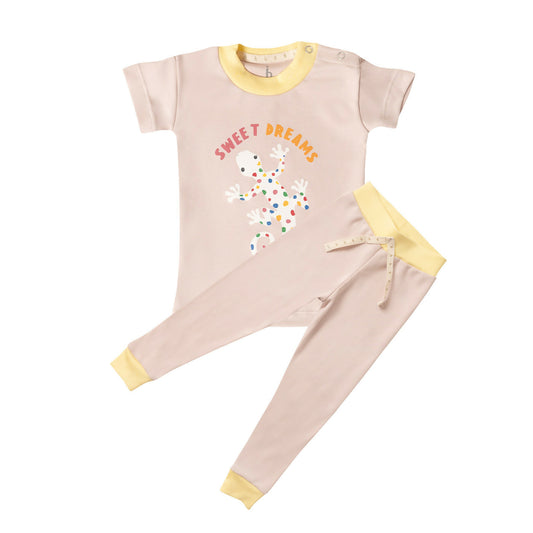
This is the swap we would make first, because of the hours. The NHS says a newborn's total daily sleep can be around 18 hours, and once they turn one it's still around 12 to 15 hours a day. That's half their day or more spent in pyjamas or a sleepsuit, wrapped in a sheet and blanket. For a newborn who isn't eating solids yet, what they sleep in is the closest contact they have with anything we buy for them.
A named textile standard does some of the checking for you. OEKO-TEX STANDARD 100 tests every thread, button and accessory of a certified item against a list of over 1,000 harmful substances, with the strictest limits for babies and children up to three. GOTS certifies every processing stage, from the organic fibre to the finished product. Start with the sleepsuit or pyjamas they wear most, then the cot sheet.
2. Bowls, plates and weaning kit
Once weaning starts, food sits in these, often warm. The Food Standards Agency says plastic food containers and utensils containing bamboo composite should not be sold in GB. It warns that chemicals such as formaldehyde and melamine might leak into food, especially hot or acidic food. If you have some at home, its advice is to stop using them for storing or serving food. They can be reused for something else around the house.
3. The everyday cup or bottle
Used many times a day, so it's worth a look. In the UK, BPA cannot be used on items intended for infants and young children, such as infant feeding bottles and beakers. So "BPA-free" on a baby bottle tells you less than it seems. Ask what the whole bottle, lid and straw are made of.
4. Nappies
Your baby wears them round the clock, so look for brands that tell you what each layer is made of. Good brands are happy to tell you.
5. Bath time basics
Mitts, flannels and towels touch faces every day. Simple, certified fabrics are an easy swap when the old ones are looking tired.
Why do skin, mouths and heat matter most?
Babies spend more time in their sleepwear than in anything else they own, and they explore everything else with their mouths. What touches them for hours, or goes in their mouth, matters more than what sits on a shelf. Heat matters because the FSA's own warning on bamboo composite points to hot and acidic foods as the moment chemicals are more likely to leak. Our everyday rule is gentle: warm and serve food in stainless steel, glass or ceramic where you can.
What can I stop worrying about?
This is the list we wish more people shared. You can let go of:
- Things they rarely touch. Curtains, rugs, storage boxes and the lampshade can wait.
- Replacing everything at once. Binning working things creates waste and costs money. Swap as things wear out.
- Every toy in the box. Start with the ones that end up in mouths. The rest can stay.
- Gifts from family. The kindness behind them is what counts.
- Occasional things. Party bits and holiday one-offs are a tiny part of your child's week.
- Other parents' choices. Their home, their call. Low tox is never a competition.
How do I make low-tox swaps without the cost or the waste?
Start with one. Then the next, when the time comes. Slowly is what makes it stick. Buy fewer things, and buy them to last. A well-made sleepsuit can be handed down, and a stainless steel bottle is built for years of use. When you replace something, pass the old one on, if it is safe to, or recycle it properly.
How we vet this at KIDDYKIND
Every brand on KIDDYKIND is vetted using the KIDDYKIND Test. What is it made of? Where is it made? Why is it designed this way? Were the people who made it paid fairly? Is it kinder to children and the planet? Is it actually useful?
For low tox, the first question carries the most weight. We look for brands that name their materials plainly. Words like "eco" or "natural" on their own don't count.
Some of our suggestions
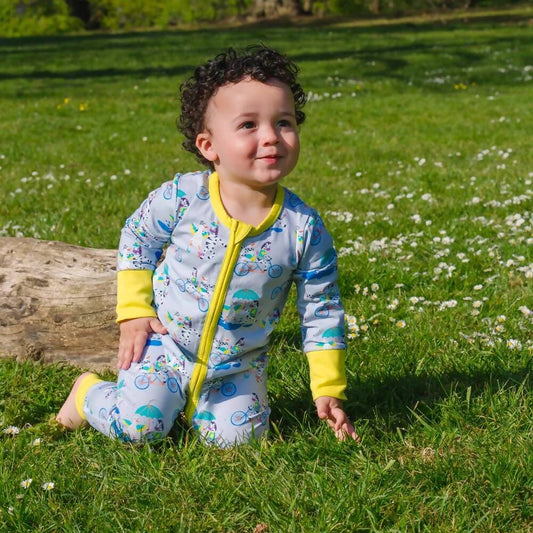
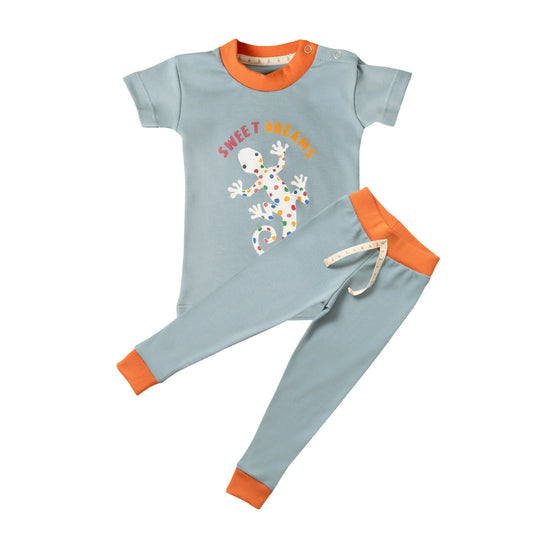
- Brushstroke Check Organic Cotton Sleepsuit by CHACHI. GOTS and OEKO-TEX certified organic cotton, with a two-way zip for quicker night changes.
- Little Bear Silicone Weaning Set by One Green Bottle. Food-grade silicone, for first meals and beyond.
- 350ml Stainless Steel Insulated Bottle with Straw, Sky Blue by One Green Bottle. Recycled stainless steel and food-grade silicone, with every material listed. Suitable from age two.
- Bamboo Eco-Nappies by Mama Bamboo. Every component listed, from the bamboo viscose to the chlorine-free core.
- Leaf Print Baby Bath Mitts by Little Scandi Baby. Handmade in the UK from OEKO-TEX certified muslin.
FAQs
What is the first low-tox swap to make for a baby?
What they sleep in. Babies can spend half their day or more in a sleepsuit or pyjamas, so start with certified organic sleepwear, then their cot sheet.
Do I need to throw out all our plastic?
No. Keep using what works and swap items as they wear out. The one exception is anything the FSA has told people to stop using for food, such as plastic containers and utensils containing bamboo composite.
Are bamboo plates safe for babies?
It depends what they are made of. The FSA says plastic food containers and utensils containing bamboo composite should not be sold in GB, because chemicals might leak into food, especially hot or acidic food. Always check the materials list.
Is low-tox living expensive?
It doesn't have to be. Use what you already have, swap a few everyday things slowly, and choose pieces that last long enough to hand down.
I feel overwhelmed. Where do I start?
Pick one thing your child uses daily and look at what it is made of. That's it for this week. Paying attention is the whole point, and perfection was never the goal.
Imperfectly low-tox is still low-tox. One swap is a real start. Browse our Low Tox collection whenever you're ready.
Sources: NHS: Helping your baby to sleep; Gov.uk: BPA in plastic; Food Standards Agency: plastic containers and utensils containing bamboo; OEKO-TEX STANDARD 100; GOTS key features
Written by Jagroop Sahi, founder of KIDDYKIND, the UK marketplace for organic, natural and sustainable baby and children's brands. KIDDYKIND is Retailer of the Year 2026 at The Organic & Sustainable Baby Awards, and was named in The Sustainability Awards' Top 100 Companies 2026.