The UK Parent's Guide to Low-Tox Baby Products: What to Buy and What to Avoid
Share
What Does "Low-Tox" Actually Mean?
"Low-tox" is shorthand for low-toxicity — a way of describing a lifestyle or purchasing approach that deliberately minimises exposure to harmful synthetic chemicals. It's not about achieving a zero-chemical life (that's impossible), but about making informed swaps in the places that matter most, especially for babies and young children whose bodies are most vulnerable.
Low-tox living has grown steadily as a movement in the UK, and for good reason. The average home contains hundreds of synthetic chemicals across cleaning products, personal care, furniture, toys, and clothing. Many of these have never been tested for safety in combinations, and several have well-documented links to endocrine disruption, developmental issues, and long-term health problems.
For parents, the priority is always simple: minimise unnecessary chemical exposure for their children. That's the entire premise of low-tox baby shopping.
The Main Chemicals to Avoid
You don't need to become a toxicologist to shop low-tox — but knowing the key chemicals to watch for makes label-reading much easier:
- Formaldehyde — used as a preservative in personal care products and as a fabric finish in "crease resistant" clothing. A known carcinogen.
- Phthalates — plasticisers found in PVC products, soft plastic toys, and some fragranced products. Linked to hormonal disruption.
- BPA (bisphenol A) — found in some hard plastics, particularly older feeding equipment and water bottles. An endocrine disruptor; now banned in baby bottles in the UK and EU, but still present in some products.
- PFAS (forever chemicals) — used in waterproof and stain-resistant coatings on clothing and furniture. Persistent in the body and environment.
- Heavy metals — lead, cadmium, and arsenic can be found in some cheap paints, dyes, and jewellery. Harmful to neurological development.
- Synthetic fragrance — often a cocktail of undisclosed chemicals, including phthalates and allergens. Avoid in products that touch your baby's skin.
Low-Tox by Category
Clothing
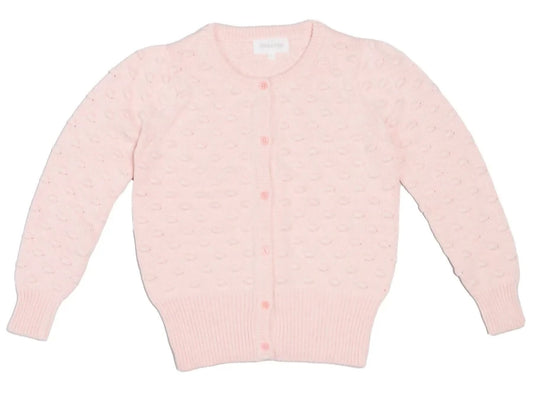
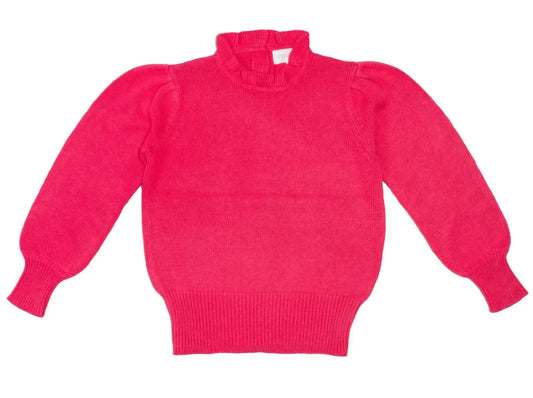
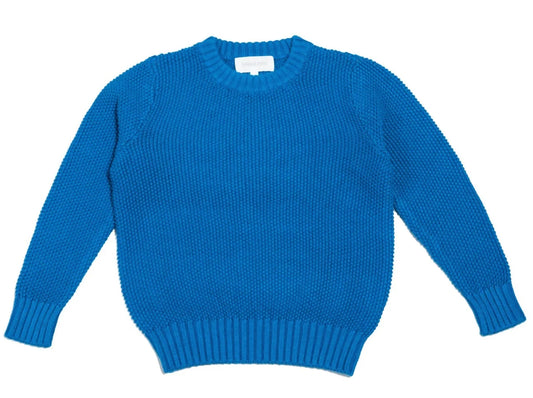
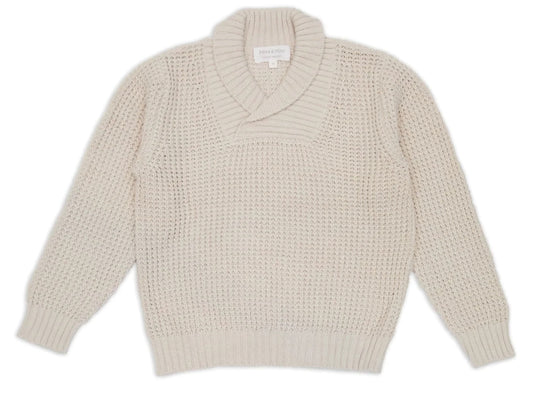
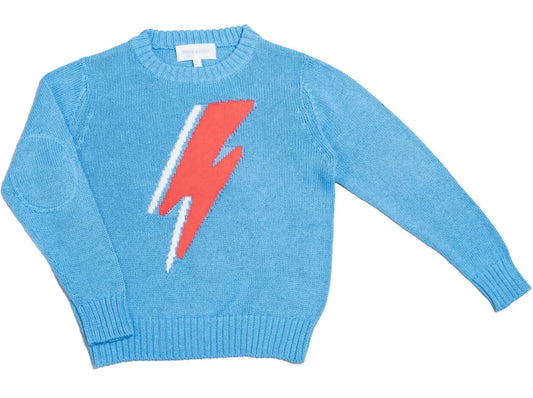
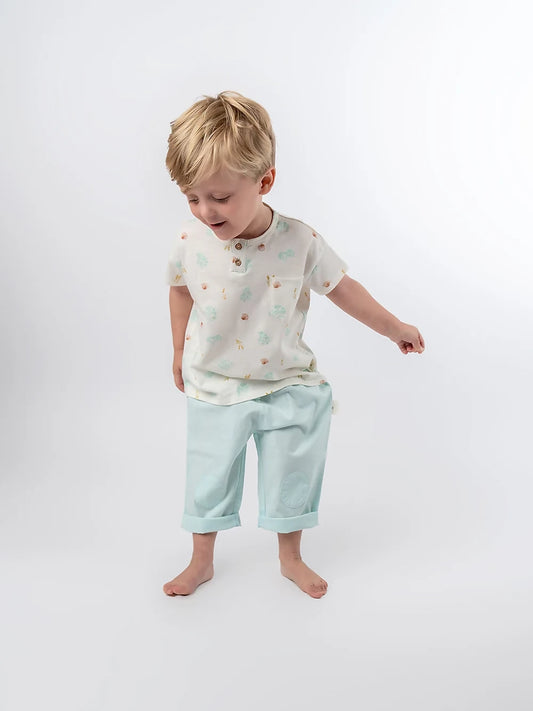
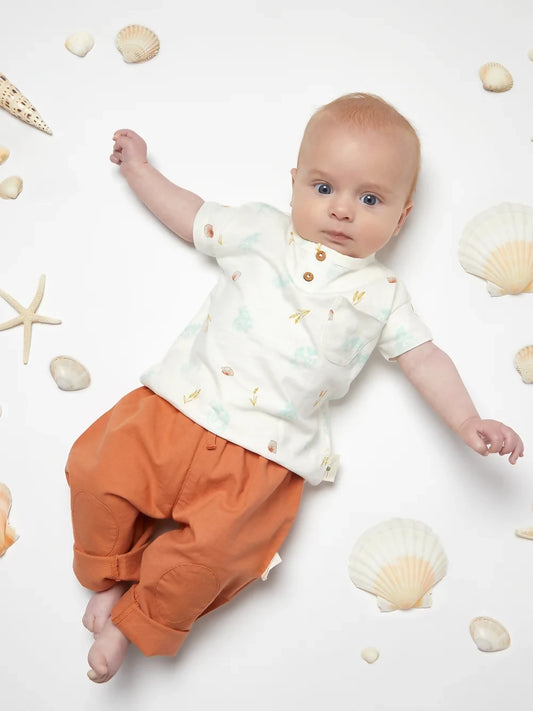
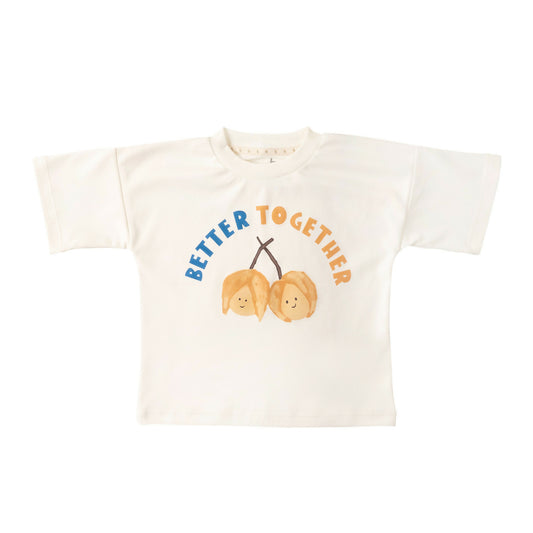
Look for GOTS certified (Global Organic Textile Standard) or OEKO-TEX Standard 100 certified clothing. Both certifications prohibit harmful chemical finishes and test for residues. Organic cotton, bamboo, and linen are excellent natural fibre choices. Avoid anything labelled "easy care", "stain resistant", or "wrinkle free" unless PFAS-free status is confirmed. Browse our Low Tox collection and Organic collection for certified options.
Skincare
Baby skin is more permeable than adult skin — meaning what goes on it goes in more readily. Look for products free from SLS (sodium lauryl sulphate), parabens, synthetic fragrance, and mineral oil. Short ingredient lists are generally a good sign. Certified organic skincare provides the most rigorous assurance. Check our Skincare collection for vetted options.
Toys
Avoid soft PVC (vinyl) toys — they typically contain phthalates as plasticisers and can leach chemicals, particularly when mouthed. Choose wooden toys (untreated or finished with food-safe oils and water-based paints), natural rubber, or BPA-free plastics where plastic is unavoidable. Explore our Wooden Toys range for safe, beautiful alternatives.
Feeding
For bottles and cups, choose stainless steel or glass over plastic wherever possible. If using plastic, ensure it is explicitly BPA-free and phthalate-free. Avoid heating food in plastic containers. Stainless steel lunchboxes and water bottles last for years and carry no chemical risk.
The Difference Between "Natural", "Organic" and "Certified"
This is where greenwashing makes shopping genuinely confusing. Here's a simple guide:
- "Natural" — a marketing term with no legal definition in the UK. A product can call itself natural while containing synthetic chemicals. Do not rely on this claim alone.
- "Organic" — also unregulated as a standalone claim on non-food products. A clothing item can say "organic" without any certification whatsoever.
- "Certified organic" (GOTS) — this means the product has been independently audited at every stage of the supply chain against a strict standard. This is the claim you can trust.
- OEKO-TEX Standard 100 — independent laboratory testing of the finished product for harmful substances. Reliable, though it tests the end product rather than auditing the full supply chain.
The Kiddykind Curation Promise
Every brand in the Kiddykind marketplace has been assessed against our sustainability and safety criteria before listing. We verify certifications, question supply chain claims, and we don't list brands that use vague "natural" or "eco" language without the credentials to support it.
Low-tox shopping shouldn't require a chemistry degree. That's why we've built a marketplace where the hard work is already done — so you can shop with confidence for your family.